Building Independence in Teens with Vision Loss
The teenage years are a time of growth, self-discovery, and increasing independence. For teens who are blind or visually impaired, that journey can come with unique challenges—but with the right support, it can also be filled with confidence, capability, and opportunity.
At the Lighthouse for the Blind of the Palm Beaches, Treasure Coast & Okeechobee, transition programs are designed to help teens build the skills they need to move successfully into adulthood—whether that means continuing their education, entering the workforce, or living more independently.
Why Independence Matters
Independence looks different for every teen, but the goal is the same: to build the skills and confidence needed to navigate the world safely and successfully. For teens with vision loss, this often means learning alternative techniques, using assistive technology, and gaining hands-on experience in real-life situations.
Developing independence early helps teens feel more prepared for the responsibilities that come with adulthood—from managing daily routines to making informed decisions about their future.
Meet Brandon
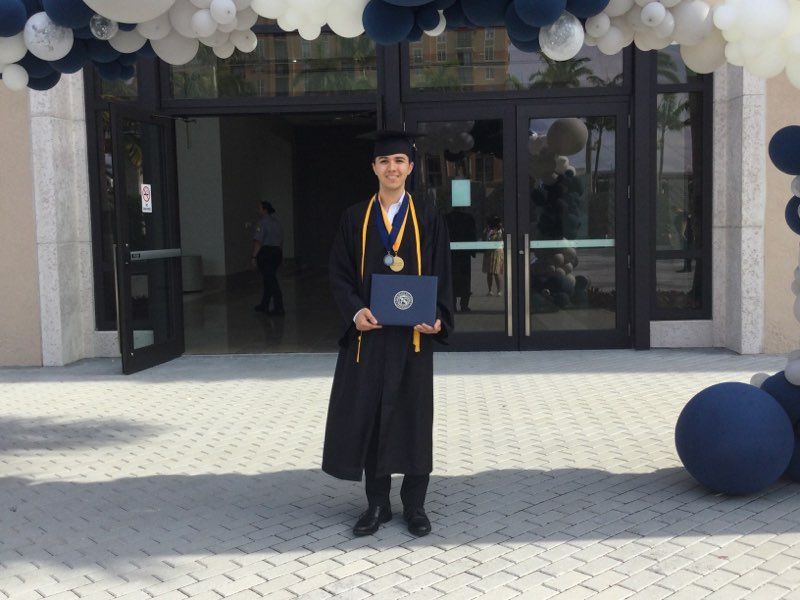
Brandon has a progressive eye condition and started participating in Lighthouse programs when he was six. He first participated in the Children’s Program and Summer Camp. Brandon later engaged in the Teen Program, which focused on independent living skills, career exploration, work experiences, and college prep.
Brandon recently graduated from College with a degree in Psychology and referred to the help and services he received from the Lighthouse as a great propeller to his success.
Brandon is an example of one of our clients who transitioned from one program to the next as his needs changed. He knows we are here as a resource for him--every step of the way.
Brandon’s next goal is to attend graduate school to obtain a master’s degree in Psychology.
Key Life Skills for Teens
Transition programs focus on practical, everyday skills that make a lasting impact. These may include:
- Independent living skills: Cooking, cleaning, organizing, and managing personal belongings
- Travel skills: Learning how to navigate safely using a white cane, public transportation, or ride services
- Technology use: Using smartphones, screen readers, and other tools to access information and stay connected
- Communication and self-advocacy: Speaking up for needs, asking for accommodations, and building confidence in social settings
These skills are often taught through hands-on experiences—like planning meals, shopping for groceries, or participating in group outings—so teens can practice in real-world environments.
The Role of Transition Programs
Transition programs provide structured support during a critical stage of life. Through group activities, one-on-one instruction, and community-based learning, teens gain the tools they need to become more independent.
Programs may include:
- Weekend or overnight experiences that simulate independent living
- Workshops focused on job readiness and career exploration
- Social activities that build confidence and connection
- Opportunities to practice problem-solving and decision-making
These experiences not only build skills but also help teens form friendships, gain confidence, and see what’s possible for their future.
Preparing for Adulthood
As teens grow, the focus shifts toward long-term goals. Whether a student plans to attend college, pursue vocational training, or enter the workforce, preparation is key.
Transition services often include:
- Resume building and interview practice
- Exploring career interests and strengths
- Learning workplace expectations and professional communication
- Developing time management and organizational skills
With the right guidance, teens can move forward with a clearer sense of direction and the confidence to take the next step.
Past Events
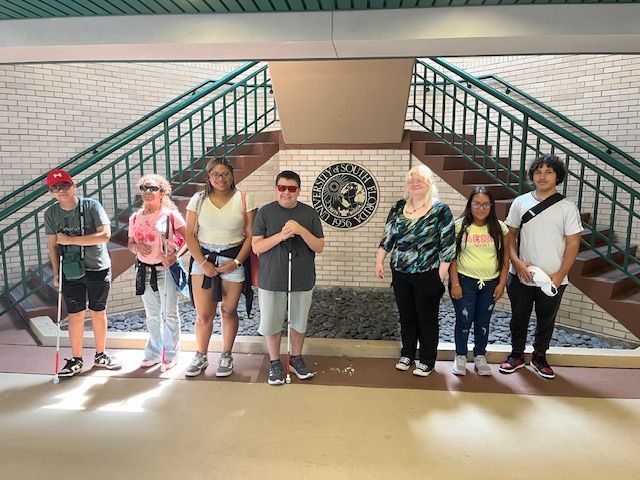
USF Tour
Lighthouse teens explored innovation and accessibility at USF!
From a 360-degree virtual campus tour to learning about a groundbreaking 3D tactile mapping system designed to help visually impaired students navigate campus, it was an inspiring experience.
Technology and education truly open doors to independence!
Recipes for Success
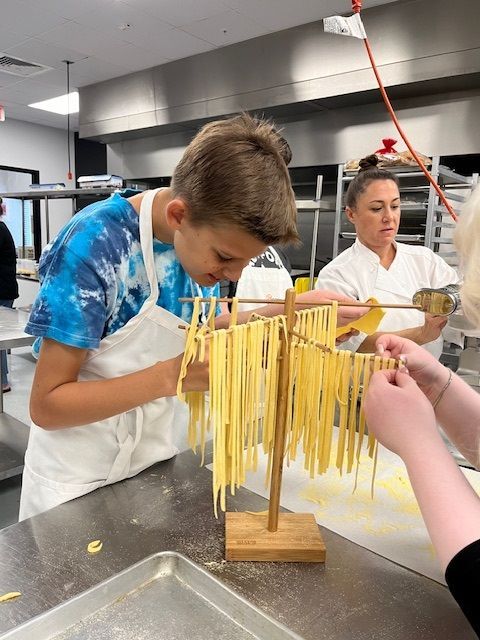
Our Kid’s Camp had a flavorful adventure at Recipes for Success where young chefs rolled up their sleeves and dove into a delicious day of hands-on cooking!
With the guidance of the ever-inspiring Chef Greg, campers crafted mouthwatering meatballs, twirled up plates of pasta, tossed fresh salads—all from scratch. Laughter filled the kitchen as kids discovered the joy of cooking and the pride that comes with creating something truly tasty.
Recipes for Success isn’t just about great food—it’s a launchpad for future culinary stars. Their dynamic program empowers aspiring chefs and food lovers of all ages to sharpen their skills, explore new flavors, and spark a lifelong passion for cooking. During the summer, Chef Greg brings this magic to life for young campers, turning the kitchen into a playground of creativity, teamwork, and delicious discoveries.
Florida Aquarium
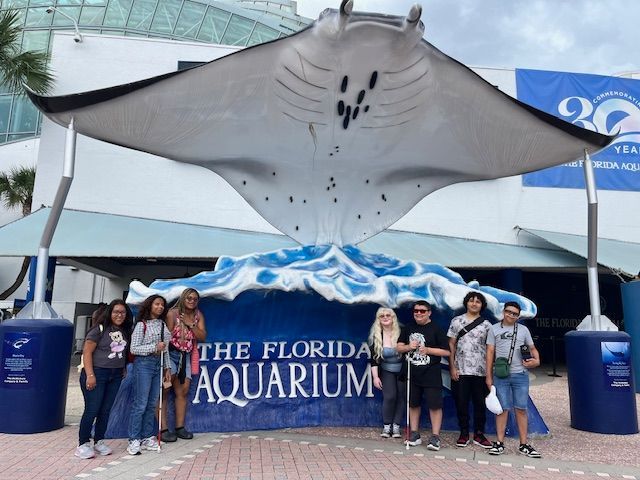
Our Lighthouse teens had an unforgettable adventure at the Florida Aquarium!
On July 21, they explored the diverse habitats and incredible species the aquarium has to offer—all at their own pace. From vibrant marine life to fascinating exhibits, it was a day full of discovery, learning, and fun!
We love seeing our kids explore new environments and broaden their horizons.
Supporting the Journey
Families and caregivers play an important role in fostering independence. Encouraging teens to try new things, practice skills, and take on responsibilities helps build confidence over time. While it can be tempting to step in, allowing teens to problem-solve and learn from experience is a valuable part of the process.
About the Lighthouse
The Lighthouse for the Blind of the Palm Beaches, Treasure Coast & Okeechobee provides comprehensive services for individuals of all ages who are blind or visually impaired. Through programs focused on education, independence, and community engagement, the Lighthouse helps children, teens, adults, and seniors build the skills they need to live full and productive lives.
Our transition services for teens are designed to prepare the next generation for success—offering hands-on learning, personalized support, and meaningful opportunities to grow.
If you or someone you love could benefit from Lighthouse programs, we’re here to help every step of the way.
